GV
George Vasilev
📍 Sofia, Bulgaria · Updated September 2026 · 7 min read
Quick answer
Tap your contactless bank card or phone on the metro gate or on the validator inside any bus or tram. A ride costs €0.80, and tapping stops charging once you reach €2 in a day. From the airport, metro M4 runs from Terminal 2 to Serdika in about 30 minutes. There's no Uber in Bulgaria, and Bolt only does scooters and food delivery here, so book taxis through the TaxiMe or Yellow Taxi apps or the official airport desk.
At a glance
🚇 Airport to centre
Metro M4 from Terminal 2 · €0.80 · about 30 min, no changes
💳 Paying
Tap a contactless card or phone · no ticket, no cash needed
🎟️ Daily cap
Tapping stops at €2 a day · 24-hour card €3 · 72-hour card €7.60
🚕 Taxis
TaxiMe, Yellow Taxi or OK Supertrans apps · no Uber, no Bolt rides
🛬 Terminal 1
No metro there · free shuttle to Terminal 2, about 5 min
Landing late, carrying ski bags or travelling as a group? A driver can wait for you in arrivals with your name on a sign.
💬 Ask about a transfer
From the airport to the centre
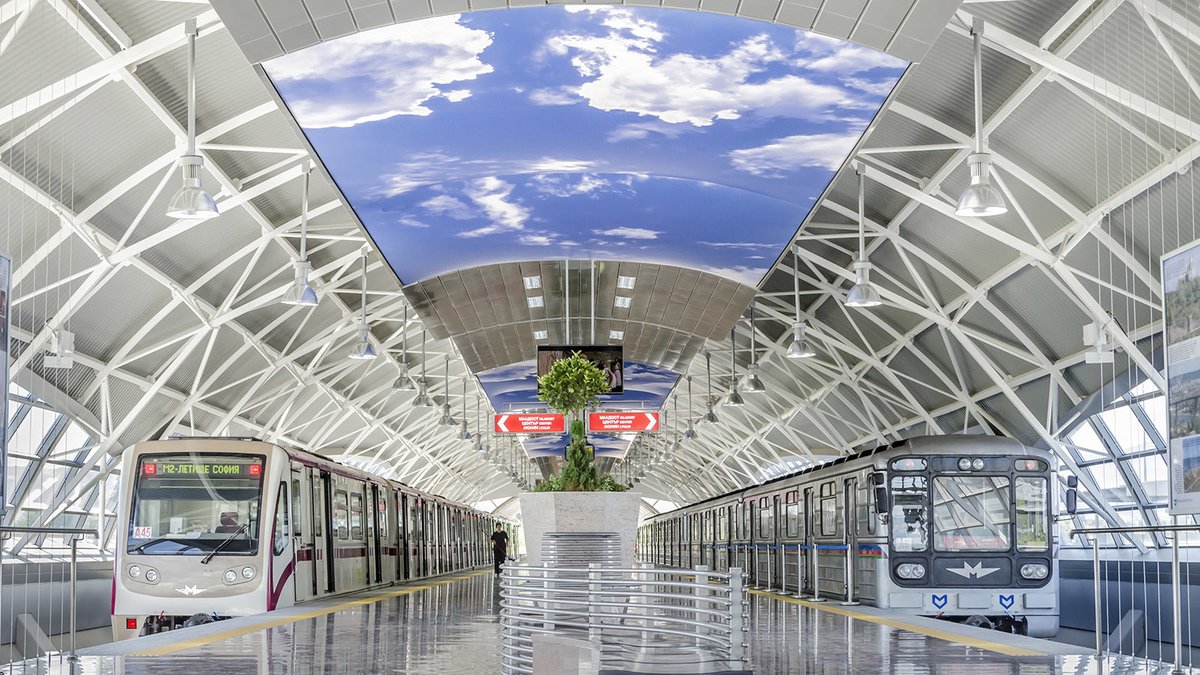
Sofia Airport has two terminals, and which one you land at decides your first move. Most international and low-cost flights use Terminal 2, and the metro station is right outside arrivals. Follow the Metro signs and you're on the platform in a couple of minutes.
Terminal 1 has no metro. If you land there, take the free shuttle bus to Terminal 2 (about five minutes) and catch the metro from there, or take a taxi from the official desk. Your boarding pass tells you the terminal, so check it before you fly.
Line M4 goes from the airport straight to Serdika, the central station under the old town, with no changes. It takes about 30 minutes and runs roughly from 05:30 to midnight. A licensed taxi to the centre costs around €10 to €15. We compare all the options in our airport to city centre guide.
The metro
Sofia has four metro lines, and for most visitors the whole system comes down to one station. Serdika sits under the old town, where lines M1 and M4 meet and M2 is connected underground. From there, the Alexander Nevsky Cathedral, the Largo, the Rotunda and Vitosha Boulevard are all within a 10-minute walk.
Trains are clean, frequent and air-conditioned, and the signs are in both Cyrillic and Latin letters. Google Maps and Moovit both have accurate Sofia routes, so plug in your destination and follow the line colour.
How to pay: just tap your card
You don't need a ticket machine. Tap your contactless Visa or Mastercard, Apple Pay or Google Pay on the metro gate, or on the validator inside every bus, tram and trolleybus, and €0.80 is charged. Use the same card or phone all day and the system stops charging once you reach €2, the price of a day card. Tap once for each vehicle you board.
If you prefer tickets, the machines at metro stations sell them too. These are the official fares:
Sofia public transport fares
Single ticket · €0.80
One trip on one vehicle, no transfers
Ticket 30 plus · €0.80
Transfers allowed within the first 30 minutes
Ticket 60 plus · €1.10
Transfers allowed within the first 60 minutes
Day card · €2.00
All lines for one day, night buses not included
24-hour card · €3.00
24 hours from first use, night buses included
72-hour card · €7.60
72 hours from first use, night buses included
Current prices, valid from January 2026. With a contactless card you never pay more than €2 in a day.
For a short stay, tapping your card is the easiest and usually the cheapest option. The 72-hour card only makes sense if you'll use night buses a lot.
Buses, trams and trolleybuses
The surface network reaches everywhere the metro doesn't, including the villages at the foot of Vitosha like Boyana, Dragalevtsi and Simeonovo. Prices are the same as the metro, and so is paying: tap your card on the reader inside the vehicle, straight after you get on.
Trams and trolleybuses get crowded at rush hour, roughly 8:00 to 9:30 and 17:30 to 19:00. Keep your phone and wallet in a front pocket, as you would in any big city.
Taxis: use an app and you'll pay the normal price
Licensed taxis in Sofia are cheap by European standards. The problem is lookalike cars with similar colours and names, and a rate sticker on the back window that's several times the normal price. Book through an app instead, or take one from the official desk at the airport.
TaxiMe
Our first choice. You see the car and the price estimate before it arrives, and you can pay by card.
Yellow Taxi
The official taxi desk at Terminal 2 arrivals, plus its own app.
OK Supertrans
Desks at both terminals and the OK Taxi app, running 24/7.
Uber and Bolt
Uber isn't in Bulgaria. Bolt only runs scooters and food delivery here, not rides.
If you do hail a car on the street, look at the rate sticker on the rear window before you get in. If the driver won't start the meter or offers you a fixed price, find another car.
Car sharing and scooters
Spark runs a fleet of shared electric cars around the city. You unlock them with the app and pay by the minute, with fuel and insurance included. It's handy for cross-town trips, but the zone covers the city, not the mountain: you can't end a trip up on Vitosha, and the meter keeps running until you drive back down.
Electric scooters from Bolt and others are everywhere in the centre. They're fun on the wide boulevards, less so on the cobbled yellow bricks around the old town.
When a private transfer makes more sense
The metro is hard to beat for one or two people with light bags. For families, groups, heavy luggage or a flight that lands after midnight, a fixed-price transfer is simpler. Your driver tracks the flight and waits in arrivals, and the price doesn't change if the plane is late.
✈️ Most booked
Sofia Airport ↔ anywhere in the city
Airport Transfer
A driver waiting in arrivals with your name on a sign, a fixed price agreed in advance and help with the bags. Child seats and ski bags at no extra cost.
We track your flight · pay the driver
From €25 one way
💬 Check dateSee details
👥 Up to 20 people
Airport, hotel or activities
Group Sprinter
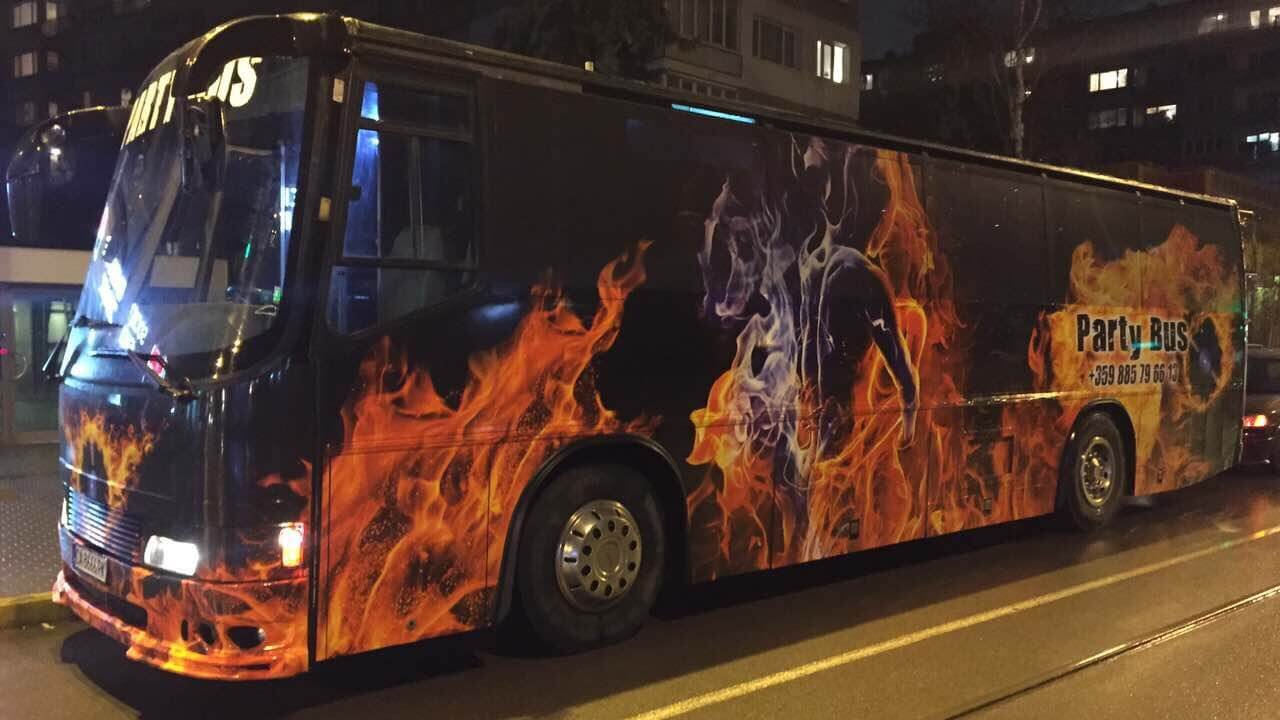
One vehicle for the whole group, from the airport to the hotel or out to activities outside the city. Our usual pick for stag and hen weekends.
Fixed price for the group
From €100
💬 Check dateSee details
FAQ
Is there Uber in Sofia?
No. Uber doesn't operate in Bulgaria, and Bolt only offers scooters and food delivery here, not rides. Use the TaxiMe, Yellow Taxi or OK Supertrans apps instead. You see the price estimate before you confirm, just like Uber.
Do I need cash for public transport?
No. A contactless bank card or your phone works on every metro gate and on the validators inside buses, trams and trolleybuses. Bulgaria uses the euro, so if you do need cash for anything else, an ATM at the airport will sort you out.
How much is a ticket in Sofia?
€0.80 for a single ride. With a contactless card you never pay more than €2 in a day. A 24-hour card costs €3 and a 72-hour card €7.60, both including night buses.
Which terminal will I arrive at?
Check your boarding pass. Most international and low-cost flights use Terminal 2, which has the metro. If you land at Terminal 1, take the free shuttle to Terminal 2 first.
Which apps should I download?
TaxiMe for taxis, Google Maps or Moovit for routes, and Spark if you want to drive yourself. That's enough for the whole trip.
Is the metro safe at night?
Yes. The metro is clean, well lit and busy until late. It closes around midnight, so for later trips book a taxi through an app.
More for your trip: is Sofia safe?, 48 hours in Sofia and things to do in Sofia this weekend.
A question about getting around?
Message us on WhatsApp. A real person in Sofia answers, usually within minutes.
💬 Message us
GV
George Vasilev
Founder of SoFun · Sofia local
Since 2018 I've been helping visitors get from the airport to their first adventure in Sofia without overpaying on the way. This is the advice I give friends before they land.








 Get your card