GV
George Vasilev
📍 Sofia, Bulgaria · Updated September 2026 · 7 min read
Quick answer
Yes, Sofia is a safe city for visitors. Violent crime against tourists is rare, and the centre is fine to walk around at night. The real risks are about money, not danger: unlicensed taxis, bad exchange offices and the odd menu trick. Avoid those and your biggest problem will be choosing where to eat.
At a glance
✅ Safe at any hour
The centre, Lozenets, Oborishte, Ivan Vazov
🌙 Take a taxi after midnight
Around Central Station, the bus station and Lions' Bridge
💶 The real risks
Street taxis, exchange offices, fish priced by weight
🚨 Emergencies
Call 112 for police, ambulance or fire · operators speak English
🚰 Tap water
Clean and safe to drink
Not sure about an area, a hotel location or getting in late? Ask us. A local answers, not a bot.
💬 Ask a local
Is Sofia safe? The honest version
Sofia has a reputation it doesn't deserve. Mention it to friends at home and you'll get a vague look: Eastern Europe, not sure, be careful. Then you arrive and find a calm, green city where people walk home at 1am, families fill the parks until late and nobody pays much attention to tourists.
Street robbery and violent crime against visitors are rare here. What does happen is smaller and easy to avoid: a taxi that charges five times the price, an exchange office with a rate you didn't read, a fish sold by the 100 grams. This guide covers where to go, where to take care and the handful of tricks worth knowing.
Which areas are safe
Safe at any hour
The city centre, Lozenets, Oborishte, the area around Ivan Vazov National Theatre
Take a taxi after midnight
Central Railway Station, the Central Bus Station, Lions' Bridge, the big parks
Misunderstood but fine
Lyulin, Mladost, Nadezhda: ordinary residential districts
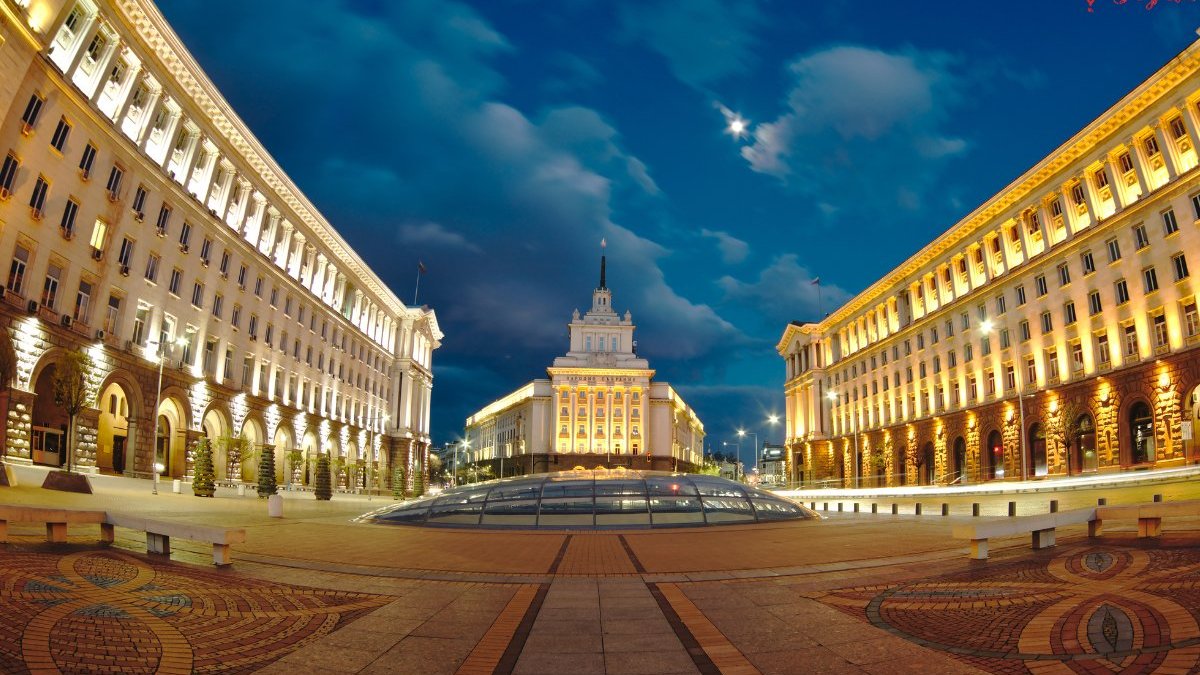
The centre, roughly the area between Vitosha Boulevard, the Largo, the National Palace of Culture and Alexander Nevsky Cathedral, is as safe as any tourist district in Europe. Lozenets, the leafy district south of the Palace of Culture, and Oborishte, with its embassies and old houses east of the centre, are just as relaxed.
In these areas you can walk alone at night, stop in a park at dusk or stand on a corner staring at Google Maps without a second thought.
Where to take care at night
Central Railway Station, the Central Bus Station and Lions' Bridge. By day they're busy and ordinary: commuters, market stalls, city life. After dark the underpasses and the streets around the station empty out and attract people you'd rather not meet on your own. Nothing dramatic is likely to happen, but there's no reason to walk around here at midnight. If your train or bus is late, take a taxi to and from the entrance.
The big parks after midnight. Borisova Gradina and South Park are some of the best things about Sofia, full of runners and families in the day and pleasant well into the evening. After midnight some paths are poorly lit and the crowd changes, like in any big city park. Enjoy them until late, then walk home along the streets.
Lyulin, Mladost and the big housing estates
Online forums sometimes list Sofia's big estates as places to avoid. They aren't dangerous. They're ordinary residential districts of concrete blocks, where most of the city actually lives. There's just very little for a visitor to see there, which is not the same as being unsafe.
The scams worth knowing
The list is short. Once you know these four, you're very unlikely to fall for any of them.
1. Taxis. The classic. Lookalike cars copy the colours and names of real companies, with a rate on the back window several times the normal one. Never get into a car with a driver who approaches you at the airport or outside a sight. Book through the TaxiMe or Yellow Taxi apps, or use the official desk at the airport, and you'll pay the normal price. There's no Uber in Bulgaria. Our guide to getting around Sofia has the details.
2. Exchange offices. Bulgaria uses the euro, so this only matters if you arrive with pounds, dollars or another currency. Some exchange offices in the centre advertise “0% commission” in huge letters and then apply a rate that has nothing to do with the one on the board. Better to withdraw euros from a bank ATM, or at least check the final amount before you hand over any cash. Skip any office where someone outside is waving you in.
3. Fish and meat priced by weight. In Bulgarian restaurants it's normal to see fish or steak priced per 100 grams. In the wrong place it becomes a trap: “€4 per 100 g” turns into €24 when the fish weighs 600 grams. Before you order anything priced by weight, ask how much the portion weighs. An honest place will tell you straight away.
4. The friendly stranger with a bar. Rare in Sofia, but it happens. A well-dressed stranger strikes up a conversation near a tourist spot and insists on a bar you absolutely must see. The drinks there cost several times the menu price. Locals who actually want to help don't take strangers to one specific bar, and that insistence is the warning sign.
Sofia at night, and travelling solo
Sofia works well for solo travellers, women included. Vitosha Boulevard stays busy until around 2am at weekends, and the streets around Ivan Vazov National Theatre, Graf Ignatiev Street and Lozenets are lively and well lit late into the night. Going between bars on your own is normal and doesn't draw attention.
The usual big-city habits are enough: keep an eye on your drink, share your location when you go somewhere new late at night, and trust your instincts. Away from the centre, older residents can be more conservative and may stare at very loud or unusual behaviour, but that's curiosity, not aggression. For where to actually go out, see our Sofia nightlife guide.
Emergency numbers and healthcare
112
The single emergency number for police, ambulance and fire. Operators speak English. Save it before you arrive.
Private hospital
Acibadem City Clinic Tokuda Hospital, in the south of the city. Well equipped, with English-speaking staff.
Emergency hospital
Pirogov, the main public emergency hospital, open 24 hours for genuine emergencies.
Night pharmacy
Look for a green cross and the sign “Денонощна аптека”, meaning open 24 hours.
Pharmacists usually speak enough English for everyday problems, and some medicines that need a prescription in Western Europe are sold over the counter here.
Skip the airport taxi problem entirely
✈️ Fixed price
Sofia Airport ↔ anywhere in the city
Airport Transfer
A driver waiting in arrivals with your name on a sign and a price agreed before you land. No meter, no bargaining, no walking outside to find a “good” taxi.
We track your flight · 24/7
From €25 one way
💬 Check dateSee details
FAQ
Is Sofia safe at night?
Yes, in the centre and the main nightlife areas, which stay busy until late at weekends. Avoid walking around Central Station and through the big parks after midnight, and use an app to book taxis.
Is Sofia safe for solo female travellers?
Yes. The centre is lively and well lit at night, and going out alone is normal. Keep the usual habits: watch your drink, share your location and take an app taxi home if it's late.
Are there pickpockets in Sofia?
Some, mostly on crowded trams and trolleybuses at rush hour and around the Women's Market. Wear your bag in front, keep your phone out of your back pocket and you'll be fine. Sofia isn't a pickpocket hotspot by European standards.
Can I drink the tap water in Sofia?
Yes. It comes from the mountains around the city and is clean and cold. There are also free mineral water taps next to the Central Market Hall that locals fill bottles from.
Are stray dogs a problem?
Much less than older travel forums suggest. Most dogs you'll see in the centre are tagged, neutered and used to people. Don't run or make sudden moves and they'll ignore you.
What currency does Bulgaria use?
The euro, since January 2026. Card payments work almost everywhere, and bank ATMs are the best way to get cash.
More for your trip: airport to city centre, getting around Sofia and 48 hours in Sofia.
Still have a question?
Ask us on WhatsApp. A real person in Sofia answers, usually within minutes.
💬 Ask a local
GV
George Vasilev
Founder of SoFun · Sofia local
Since 2018 I've been helping visitors plan their time in Sofia. This guide is what I tell friends before they come: where to go, where to take care and which tricks to ignore.













 Get your card