The tour and the transfer
⭐ THE TOUR
LOCAL GUIDE
Guided tour of the Belene camp
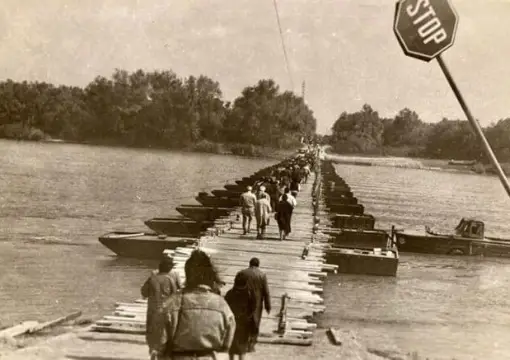
About 2 to 2.5 hours with a local guide in English or Bulgarian: the Catholic church in Belene, camp sites 1, 2 and 3 on Persin Island and part of Persina Nature Park. The guide arranges your pass to the island.
€18per person, under 10 free
Book on WhatsAppPRIVATE TRANSFER
Return transfer from Sofia
A car or van with a driver from your address in Sofia to Belene and back, including the waiting time during the tour. Price per vehicle.
Car · 1 to 4 people€200
Van · up to 8€250
Minibus · up to 19€400
Bus · up to 38€500
from €200per vehicle, return
Book with transferMORE TIME
Longer tour or a boat trip
The long tour takes 3 to 4 hours and adds the Roman customs house of Dimum and the so-called hooligan barracks of the camp system. The boat trip takes 1 to 2 hours around the Danube islands of Persina Nature Park. Ask us for the price and dates.
Ask uson WhatsApp
Ask about the long tourDriving yourself? Belene is about 220 km from Sofia and there is parking at the church where the tour starts.
How to book
To book the Belene camp tour from Sofia, send us your date, the number of people and whether you need the transfer. Book at least 2 days ahead so the guide can arrange the pass to the island. We confirm the start time with you.
Book on WhatsAppWhat is includedAnd what is not+
Local guide, 2 to 2.5 hours€18, cash
Pass to Persin IslandArranged by the guide
Children under 10Free
Transfer from SofiaOptional, cash
Food and drinksNot included
💳 Nothing to pay online. You pay the guide €18 per person in cash on the day, and the transfer, if you book it, also in cash on the day.
This Belene camp tour from Sofia takes you to Persin Island on the Danube, the site of the largest and longest-running camp for opponents of the communist regime in Bulgaria. From 1949 to 1987, almost without interruption, people were sent here by decision of the Ministry of the Interior, without trial and without a set term. A local guide who has spent more than ten years preserving the memory of the camp takes you through camp sites 1, 2 and 3 and the town of Belene, and arranges the pass you need to enter the island, which still holds a working prison.
🏝 Persin Island🕯 Camp sites 1, 2 and 3🧭 Local guide, English or Bulgarian⏱ 2 to 2.5 hours🚐 Private transfer from Sofia
The Belene camp
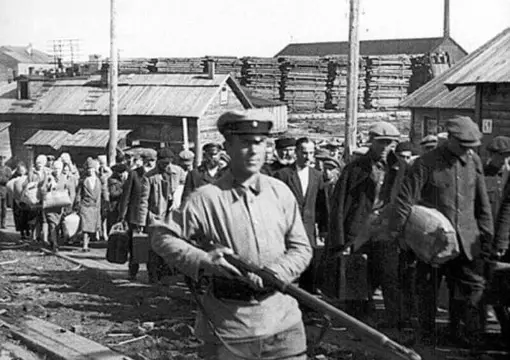
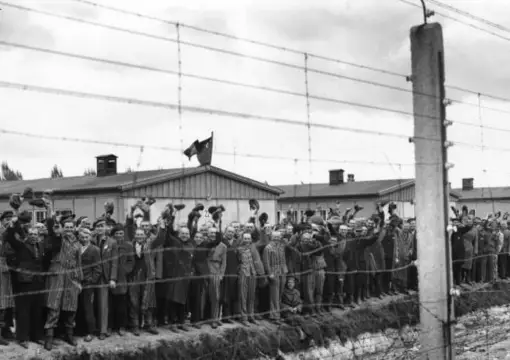
The camp was set up on 27 April 1949 on Persin Island, the largest island in the Bulgarian part of the Danube. It became the largest and longest-running communist camp for opponents of the regime in Bulgaria and, with short breaks, it operated until 1987. More than 15,000 people were sent here over those years.
Internment in a labour camp was a decision of the Ministry of the Interior. There was no trial, no right to a defence, no specific charge and no set term, so people did not know what they were accused of or when they would be released. It was used against political opponents and against civil, social and religious groups. New internees still arrived in 1985, among them a Bulgarian Turkish teacher who opposed the forced change of Turkish names.
What you see today
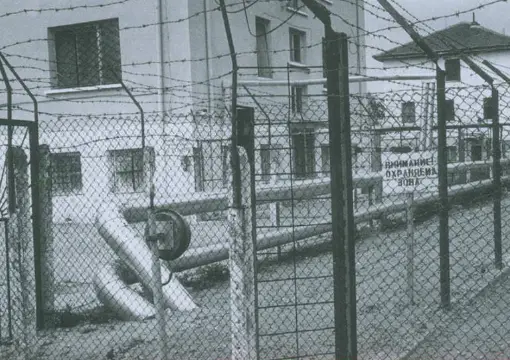
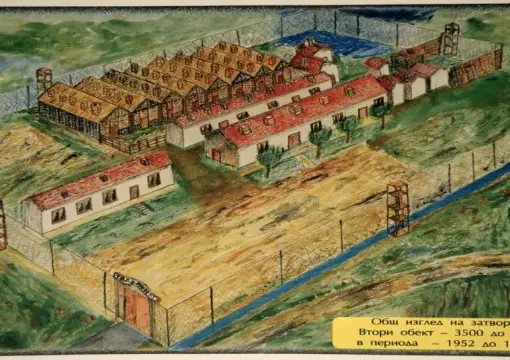
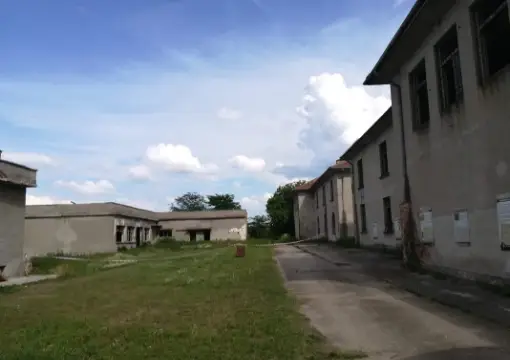
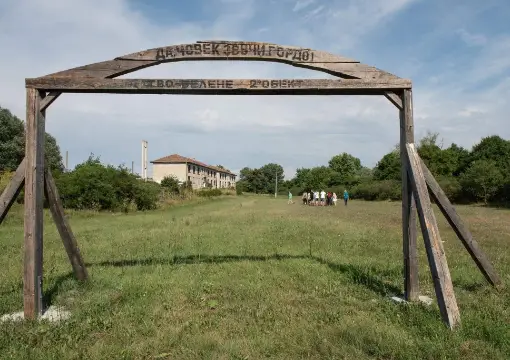
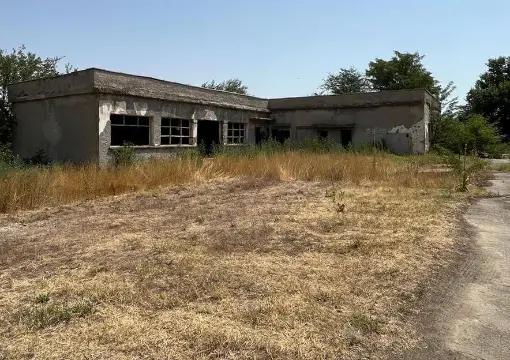
The island still holds a working prison, so you can only enter with a pass from the Ministry of Justice, which the guide arranges, and with your ID or passport. Little of the camp is left: a wooden gate, a few buildings and ruins in the long grass. At the second site there is an exhibition of portraits of internees, drawn in secret by Petar Baychev, a lawyer and artist who was held here himself. The procedure to declare the camp a cultural monument of national importance has still not been completed.
The tour also passes through part of Persina Nature Park, a protected wetland where Dalmatian pelicans nest again.
The church in Belene
The tour starts at the Catholic Church of the Nativity of the Blessed Virgin Mary, built in 1860 and the oldest building in Belene. It is also a shrine to Bishop Eugene Bosilkov, who was killed by the communist authorities in 1952 together with three Catholic priests. There is parking and a drinking water fountain by the church.
A place of memory
Belene is visited to remember. Most of the people held here are no longer alive, and some never left the island. The guide talks about forced labour, violence and humiliation, so give yourself time, and think about whether the subject suits younger children.













 Get your card

 Book on WhatsApp